



 Staff Writer
 Think about it this way: without hormones, plants would pretty much just be a mass of undifferentiated cells.
What is a plant hormone?
Plant hormones are chemicals that serve specific purposes during the life cycle of the plant. More specifically, plant hormones are ‘signal molecules’ which are produced at specific locations within the plant, occurring mostly in very low concentrations. These hormones trigger altered processes within target cells both locally and at other locations.
What do these hormones do?
Hormones play a vital part in all plant-life, effecting which tissues grow in which direction, how leaves are formed, stem growth, the development and ripening of fruit, plant longevity, and even death – the list goes on and on.
Think about it this way: without hormones, plants would pretty much just be a mass of undifferentiated cells.
The 5 major classes of plant hormones
Generally speaking, there are 5 major classes that all plant hormones are divided into, some of which contain a wide collection of various chemicals that can differ in structure from one plant to the next. The hormones are grouped together into one of these classes based on their structural similarities, as-well-as their effects on the subject’s physiology.
Most of the time you will find these classes working together altruistically in-order-to regulate germination, growth, flowering, seed production, etc. It is also noteworthy that each plant hormone class possesses both positive and inhibitory functions.
Abscisic acid (ABA)
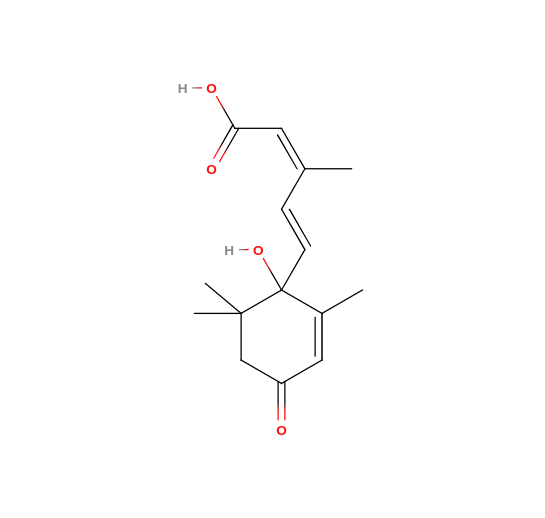
Abscisic acid or ABA plays a vital role in a variety of developmental processes within cannabis plants, including the control of stomatal closure and organ size, as-well-as bud and seed dormancy. ABA is particularly essential for cannabis plants responding to environmental stresses such as drought, soil salinity, cold tolerance, freezing tolerance, heat stress and heavy metal ion tolerance.
Auxin (indole-3-acetic acid)
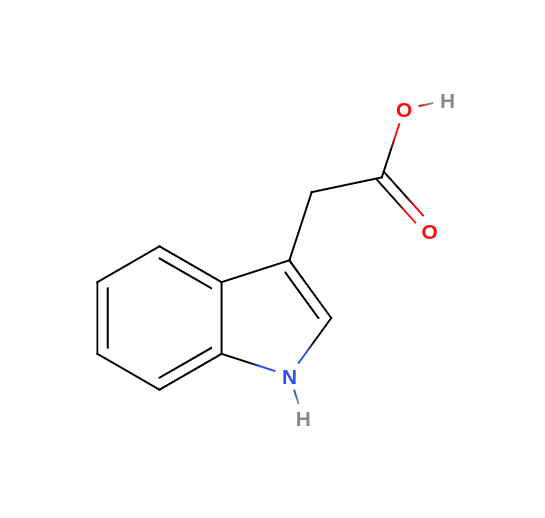
Indole-3-acetic acid or IAA, 3-IAA is a hormone found in cannabis plants, it is categorised under the auxin class and is the most frequent, naturally occurring plant hormone of said class. Indole-3-acetic acid has been the star subject of a plethora of wide-spread, comprehensive studies by plant physiologists given it is one of the more popular (well known) of the auxins. IAA is a derivative of indole, containing a carboxymethyl substituent. It is a colourless solid that is soluble in polar organic solvents.
Cytokinin (CK)
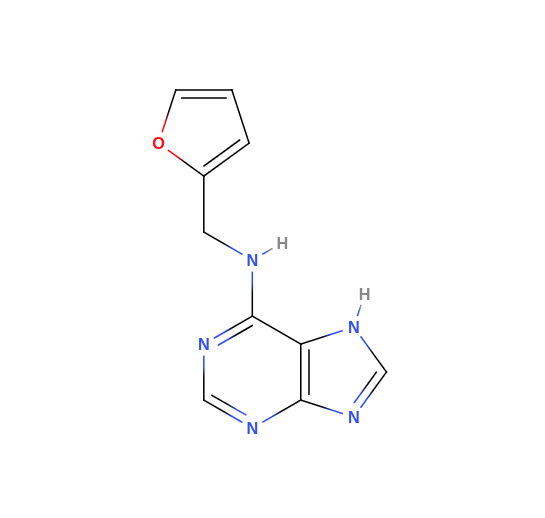
Cytokinin is the hormone responsible for triggering cellular formation during the germination phase of cannabis seeds, and at the same time, the cytokinins also signal the start of the growth phase for the gibberellins. The embryo then continues to expand in size, utilizing the supply of food stored within the seed for growth.
Cytokinin hormones primarily focus on cell differentiation and growth, however, they can also have an effect on apical dominance, axillary bud growth, and leaf senescence
Ethylene

Ethylene is a critical natural plant hormone found in a variety of plants including cannabis. It is regularly employed in the agricultural process of forcing the ripening of fruits. Ethylene (IUPAC name: ethene) is a hydrocarbon which has the formula C2H4 or H2C=CH2. It is a colourless gas, so you can’t see it, and it is also flammable. The smell has often been described as a faint “sweet and musky” odour when in its pure form.
Something worth noting (if you’re a geek like me): Ethylene is the simplest of all alkene structures. If you are not too familiar with what an alkene is, in a nutshell, it can be described as a hydrocarbon with carbon-carbon double bonds. Check out the structural formula above to see what I am talking about…
Gibberellin
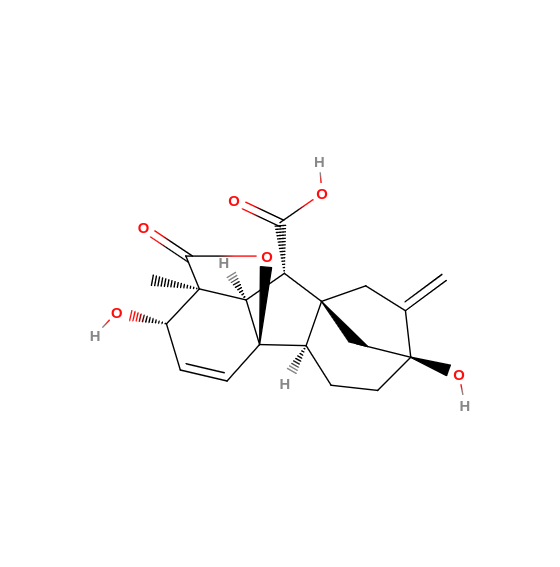
Gibberellins (or GAs) are plant hormones that are known to control various developmental processes within cannabis plants, including dormancy, flower development, flowering, fruit senescence, germination, leaf senescence, and stem elongation.
Out of all the recognised classes of plant hormones, Gibberellins are one of the longest-known, and it is speculated that the fastidious (albeit unconscious) breeding of crop strains that were deficient in GA synthesis was one of the key drivers of the “green revolution” in the 1960’s, a revolution that is credited to have saved over a billion lives worldwide. With like, wheat and stuff though, not ‘life-saving bud’ or anything.. but it is still pretty cool to think about.


I did’nt think that hormones played SUCH a major role!
Very informative and useful read.
I am glad that you enjoyed the read; What is interesting (IMHO) is that hormones play a large roll in the development of many life-forms across our weird blue rock we call earth… Perhaps even further abroad, who knows 😉
Familiarising one’s self with some of the more ubiquitous “life mechanics” can be a rewarding process in more ways than one!
– Stay curious 🙂