



 Staff Writer
 Hi there, fellow Nuggies! Thanks for joining in on part two of this post series – Understanding cannabis subspecies.
Today we’ll be taking a look at “Sativa”, what it means and all of that jazz! So, let’s get to it 🙂
Remember to check out Part #1: Indica if you have not already!
Why understanding the cannabis subspecies is important
We discussed this in a bit more detail in Part #1, so I’ll just recap here real quick:
Various subspecies of cannabis can (and often do) produce different effects when consumed. Some may be better suited for the formation of various materials and textiles, whereas others could have more to contribute to the medical market.
Let’s check out some of the principal factors for the Sativa subspecies, noting that it is a rather simplistic summary:
Sativa Subspecies Appearance
In many ways, Sativa strains are opposite to the aforementioned Indica strains from Part #1.
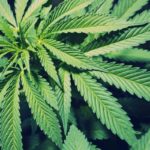
Sativa dominant cannabis strains are capable of growing over 5 meters in height and have larger leaves with skinny, long, leaf fingers.
These tall and slender cannabis plants are often a lighter shade of green than Indica varieties with the females producing less compact “feathery” buds.
Sativa Subspecies Effects & Uses
Sativa is notable for its cerebral effects, with consumers reporting certain stains that offer a boost in energy, (and/or) focus, (and/or) creativity.
“Euphoric” is a word often used to describe the feeling post-consumption, which makes Sativa perfect for the legal recreational market in products such as infused beverages or edibles, however, there is **less application for it in the medical market.
** In some cases, for very specific conditions, medical practitioners may prescribe a Sativa dominant strain over one that is Indica dominant.
Sativa Subspecies Growing Characteristics
Sativa cannabis plants tend to have more spacing between each node, which is a natural characteristic (not stretching) that can make them more adept at surviving in humid (tropical) environments.
The increased airflow that is allowed to flow between each node essentially prevents excess moisture buildup and retention. This all adds up to Sativa plants having less chance of falling victim to mould.
With that mentioned, Sativa dominant strains also have a significantly longer flowering period and they require much more allocated space and time per plant to allow them to reach their full potential. This means that Sativa strains are more difficult (and expensive) to manage.
This subspecies is more suited for experienced growers with a setup that has been tailored to accommodate the more difficult characteristics of a Sativa grow.
What can we take from this?
So, to sum up – Here’s all the cool shit that we learned today:
Sativa cannabis plants tend to be leaner and taller when compared with Indica strains. Sativa strains are less inclined to getting mildewed buds, leaves and stems, yet, most strains do have a longer flowering time which can make maintenance more time consuming and expensive.
Overall, Sativa is relished thoroughly within the legal market space and is often found infused in different beverages as well as food items. Given its cerebrally biased effect, consumers tend to favour Sativa cannabis strains for daytime smoking, often reporting small boosts in creativity, concentration, and general energy levels.
Cool right!? If you think so, don’t forget to come back for Part #3: Ruderalis (auto-flowering cannabis strains)
Thanks for reading!



GIPHY App Key not set. Please check settings